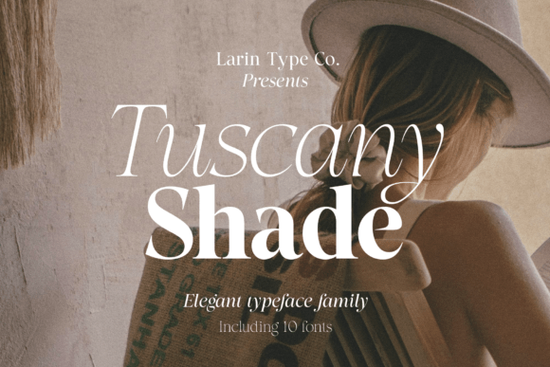
Finding the right serif font can make or break a design project, especially when you need something that feels both classic and current. Tuscany Shade Font is an elegant, high-contrast serif family that gives designers a versatile option for everything from logo work to magazine layouts. It comes with regular and true italic styles, each available in five weights ranging from extra light to bold giving you real flexibility without having to mix multiple typefaces.
Whether you're working on a fashion brand identity, a book cover, or product packaging, this font holds its own across both large display text and smaller body copy. Let's look at what makes it worth considering and who it's best suited for.
What Makes Tuscany Shade Different from Other Serif Fonts?
A lot of serif fonts fall into two camps: traditional and stiff, or trendy and hard to read. Tuscany Shade sits comfortably in the middle. Its high contrast between thick and thin strokes gives it a refined, editorial look, but the letter shapes stay clean and modern enough for digital use.
The weight range is a practical feature. You get:
- Extra Light – great for elegant, airy headlines
- Light – subtle and sophisticated for subheadings
- Regular – a solid middle ground for general use
- Semi Bold – adds presence without heaviness
- Bold – strong enough for logos and callouts
Each weight also includes a true italic version, which means the italic forms are designed from scratch not just a slanted version of the regular. That matters when you're setting longer passages of text or want your italics to look intentional.
What Types of Projects Work Best with This Font?
Tuscany Shade is built for projects where style and readability both matter. Here are some common uses designers and small business owners reach for it:
- Fashion branding – logos, lookbooks, tags, and store signage
- Packaging design – product labels, boxes, and wrapping elements
- Editorial layouts – magazine covers, article headings, and pull quotes
- Advertising – banners, social media graphics, and print ads
- Book design – covers, chapter titles, and interior layouts
- Web headings – hero text, section titles, and navigation elements
If you sell on platforms like Etsy or run a print-on-demand shop, a font like this can help your product mockups and brand materials look more polished. It pairs well with simple sans-serifs for body text, keeping the focus on your main message.
How Does It Compare to Other Serif Options on Creative Fabrica?
Creative Fabrica has a solid range of serif fonts, so it helps to know how Tuscany Shade stacks up. If you like the elegant, contrast style but want something with a slightly different personality, a stylish serif alternative with more decorative character might catch your eye. On the other hand, if you're drawn to fonts with a more ornamental, display-oriented feel, a shine-effect serif display font could be a better fit for logos or headline work.
Tuscany Shade's strength is its balance it's refined enough for luxury branding but readable enough for everyday design tasks. That makes it a practical default choice when you want one serif family that handles multiple roles.
Is It Easy to Use for Beginners?
Yes. The font installs like any standard typeface and works across major design software Adobe Illustrator, Photoshop, Canva, Affinity Designer, and others. Having ten styles (five weights × two styles) in one family also simplifies your workflow. Instead of hunting for complementary fonts, you can build a full typographic hierarchy with just this one family.
For crafters using Cricut or Silhouette software, the bold and semi-bold weights cut well at larger sizes. Just keep in mind that very thin weights may not engrave or cut cleanly at small scales.
You can check out Tuscany Shade directly on Creative Fabrica to preview all the weights and styles before committing.
Quick Checklist Before You Start Designing
- ✅ Preview all weights in your design tool to see which ones fit your project
- ✅ Pair with a clean sans-serif for body text to keep layouts balanced
- ✅ Use true italics for editorial or book projects they're designed, not just slanted
- ✅ Test readability at your final output size, especially for print
- ✅ Check the license on Creative Fabrica to make sure it covers your intended use (commercial projects, POD, etc.)
Next step: Download the font, open your design software, and set a sample headline in three different weights. Seeing the contrast in context is the fastest way to know if Tuscany Shade is the right fit for your project. Explore Design
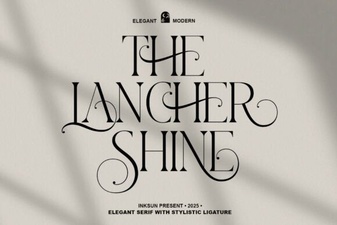 The Lancher Shine Font – Elegant Serif Typeface for Modern Design
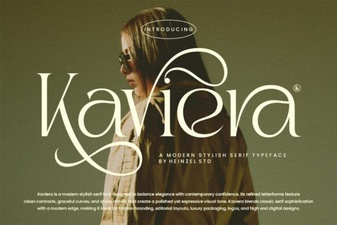 Kaviera Font: Creative Typography for Modern Design Projects
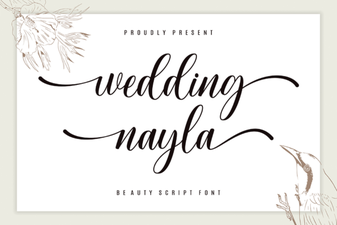 Wedding Nayla Font: Elegant Script for Beautiful Invitations
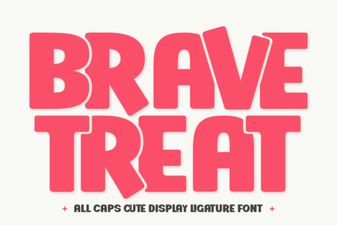 Brave Treat Font - Bold Display Font for Creative Designs
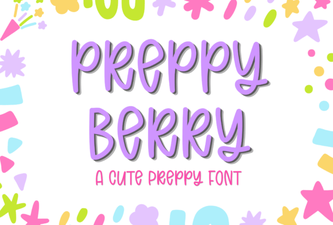 Preppy Berry Font for Charming and Stylish Creative Projects
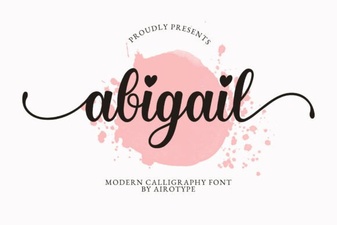 Abigail Font: Elegant Script for Creative Design Projects